
Classic route
ITX-Saemaeul
Seoul → Busan · South Korea
View on the map →Wikipedia ↗Stations · 18
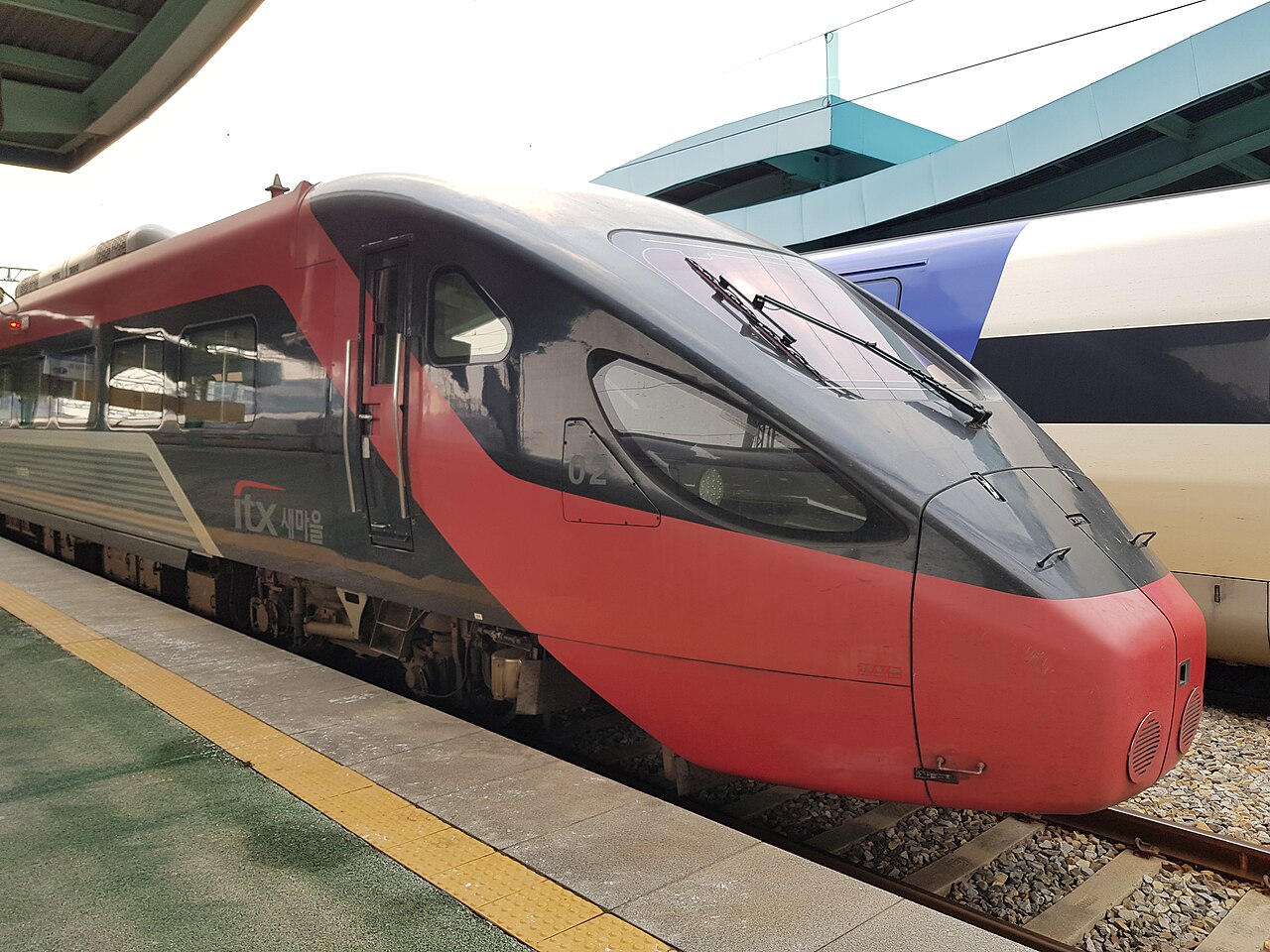
Tilting-comfort intercity that succeeded the storied Saemaul-ho, still running the full 442 km Gyeongbu spine from Seoul to Busan.
Stations
- 0 kmSeoul +6
- 9 kmYeongdeungpo
- 41 kmSuwon
- 74 kmPyeongtaek
- 96 kmCheonan
- 128 kmJochiwon
Show 7 more stations
- 166 kmDaejeon +1
- 211 kmYeongdong
- 252 kmGimcheon
- 275 kmGumi
- 294 kmWaegwan
- 321 kmDaegu
- 324 kmDongdaegu +1
- 360 kmCheongdo
- 379 kmMiryang
- 410 kmMulgeum +1
- 423 kmGupo
- 439 kmBusan +4
The stations the Wikipedia article lists as this train’s stops, in order along the line as drawn here, with the distance along it. A train may skip some of them. A +N after a station: N other routes on this map stop or end there, and the map draws it as a station where lines meet.
How this line was checked
- Line drawn from OpenStreetMap relation 6094786 — the same nodes OpenStreetMap holds for this railway, thinned to within 42 m of them
- Checked against OpenStreetMap: 98.3% of this line lies within 250 m of real track (median 12 m); the longest stretch away from it is 3 km
- The operator publishes this line's timetable: Korail — a place to look it up, not a check of our drawing
- Wikipedia has an article for this line
- See for yourself: open this line on the map with OpenStreetMap's own railway drawn underneath it
Questions and answers
How long is the ITX-Saemaeul?
The ITX-Saemaeul runs 442 km from Seoul to Busan.
How long does the ITX-Saemaeul take?
The fastest scheduled journey is 4 h 50 min for the 442 km. That is an average of 91 km/h end to end. The line's top service speed is 150 km/h.
Who runs the ITX-Saemaeul?
Korail, with Class 210000.
How old is the ITX-Saemaeul?
The line has been in service since 2014. That is the year the atlas dates it from: for a modern brand running over an older railway, it is the railway's date, not the brand's.
More classic routes
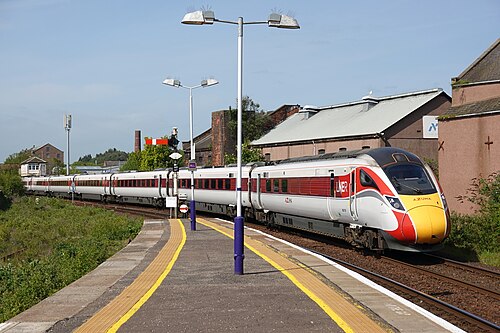
- LNER Azuma
The Flying Scotsman’s route since 1862: and where Mallard set the never-beaten steam record of 203 km/h in 1938.
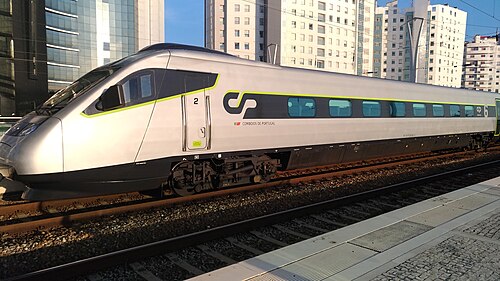
Wikipedia ↗ - Alfa Pendular
A tilting Pendolino leaning through the curves of the 19th-century Linha do Norte between Portugal’s two great cities.
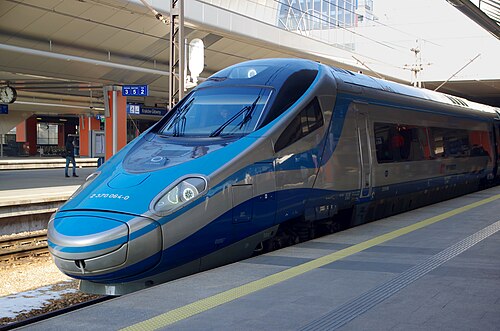
Wikipedia ↗ - EIP Pendolino
Rides Poland’s 1970s Central Main Line (CMK), engineered decades ahead of its time and now being upgraded to 250 km/h.
Wikipedia ↗ - Railjet
Follows the old Orient Express alignment down the Danube plain: centre to centre faster than any flight.
Wikipedia ↗
More train routes in South Korea.