
Classic route
Jōban Line
Tokyo → Sendai · Japan
View on the map →Wikipedia ↗Stations · 77
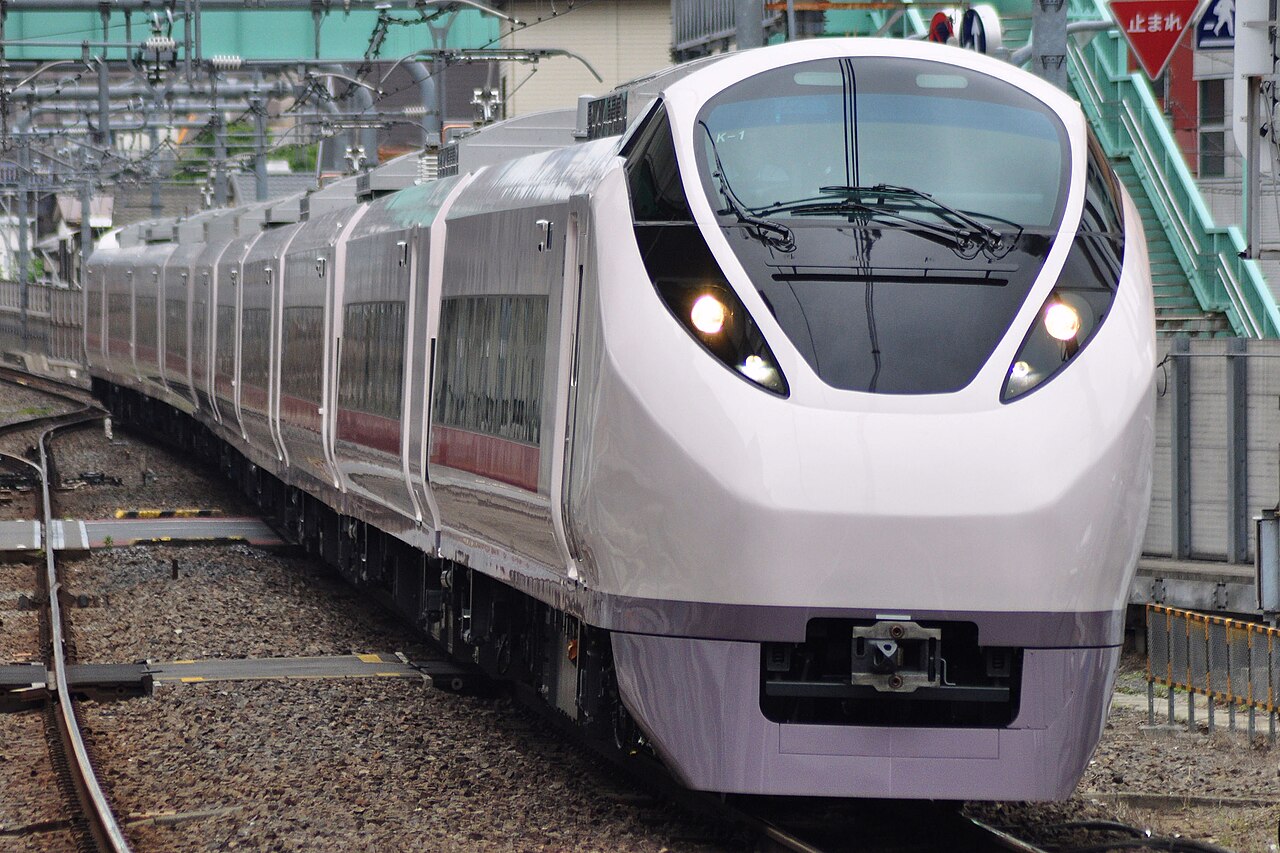
Tokyo to Sendai up the Pacific coast, inland of the Shinkansen: complete on 1 April 1905, and reopened right through Fukushima in March 2020 after nine years shut.
The Jōban Line officially runs from Nippori in Tokyo to Iwanuma in Miyagi, but since the Ueno–Tokyo Line opened its trains start at Shinagawa or Ueno and carry on past Iwanuma over Tōhoku Main Line rails into Sendai. The name comes from the old provinces of Jōshū and Banshū, which it strings together on the way to Tokyo, and the route follows the Pacific coast through Chiba, Ibaraki and Fukushima. The section between Tomioka and Namie runs through the exclusion zone around the Fukushima Daiichi meltdown and was shut after the 2011 earthquake and tsunami; it reopened on 14 March 2020, nine years without a train.
Stations
- 0 kmUeno +4
- 2 kmNippori
- 3 kmMikawashima
- 5 kmMinami-Senju
- 7 kmKita-Senju
- 18 kmMatsudo
Show 66 more stations
- 29 kmKashiwa
- 33 kmAbiko
- 36 kmTennodai
- 40 kmToride
- 45 kmFujishiro
- 48 kmRyugasakishi
- 53 kmUshiku
- 57 kmHitachino-Ushiku
- 59 kmArakawaoki
- 66 kmTsuchiura
- 72 kmKandatsu
- 78 kmTakahama
- 82 kmIshioka
- 88 kmHatori
- 94 kmIwama
- 101 kmTomobe
- 106 kmUchihara
- 111 kmAkatsuka
- 115 kmKairakuen
- 117 kmMito
- 123 kmKatsuta
- 127 kmSawa
- 132 kmTokai
- 139 kmOmika
- 144 kmHitachi-Taga
- 149 kmHitachi
- 154 kmOgitsu
- 159 kmJuo
- 165 kmTakahagi
- 169 kmMinami-Nakago
- 174 kmIsohara
- 181 kmOtsuko
- 185 kmNakoso
- 190 kmUeda
- 197 kmIzumi
- 203 kmYumoto
- 207 kmUchigo
- 211 kmIwaki
- 217 kmKusano
- 221 kmYotsukura
- 226 kmHisanohama
- 230 kmSuetsugi
- 234 kmHirono
- 240 kmKido
- 243 kmTatsuta
- 250 kmTomioka
- 255 kmYonomori
- 260 kmOno
- 266 kmFutaba
- 270 kmNamie
- 275 kmMomouchi
- 279 kmOdaka
- 284 kmIwaki-Ota
- 289 kmHaranomachi
- 296 kmKashima
- 303 kmNittaki
- 309 kmSoma
- 313 kmKomagamine
- 317 kmShinchi
- 323 kmSakamoto
- 328 kmYamashita
- 332 kmHamayoshida
- 337 kmWatari
- 340 kmOkuma
- 345 kmIwanuma
- 349 kmTatekoshi
- 353 kmNatori
- 355 kmMinami-Sendai
- 358 kmTaishido
- 359 kmNagamachi
- 363 kmSendai +2
The stations OpenStreetMap lists for this service, in order, with the distance along the line as drawn here. A train may skip some of them. A +N after a station: N other routes on this map stop or end there, and the map draws it as a station where lines meet.
Along the way
- Ueno
- The Pacific coast of Ibaraki
- Tomioka
- The Fukushima Daiichi exclusion zone
- Namie
- Iwanuma, onto the Tōhoku Main Line
How this line was checked
- Line drawn from OpenStreetMap relation 8506269: the same nodes OpenStreetMap holds for this railway, thinned to within under 25 m of them
- Checked against OpenStreetMap: the whole line lies on real track, a median 7 m from it
- The operator publishes this line's timetable: JR East, a place to look it up, not a check of our drawing
- Wikipedia has an article for this line
Questions and answers
How long is the Jōban Line?
The Jōban Line runs 364 km from Tokyo to Sendai.
How long does the Jōban Line take?
The fastest scheduled journey is ≈ 4 h 40 min for the 364 km. That is an average of 78 km/h end to end.
Who runs the Jōban Line?
JR East, with Limited Express Hitachi.
How old is the Jōban Line?
The line has been in service since 1905. That is the year the atlas dates it from: for a modern brand running over an older railway, it is the railway's date, not the brand's.
More classic routes
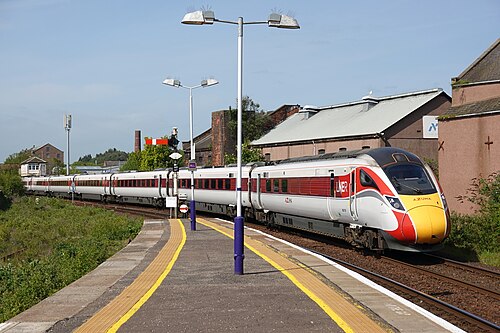
- LNER Azuma
The Flying Scotsman’s route since 1862, and where Mallard set the never-beaten steam record of 203 km/h in 1938.
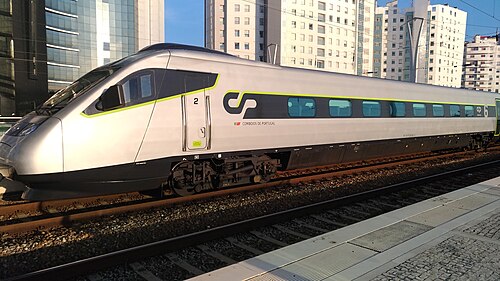
Wikipedia ↗ - Alfa Pendular
A tilting Pendolino leaning through the curves of the 19th-century Linha do Norte between Portugal’s two great cities.
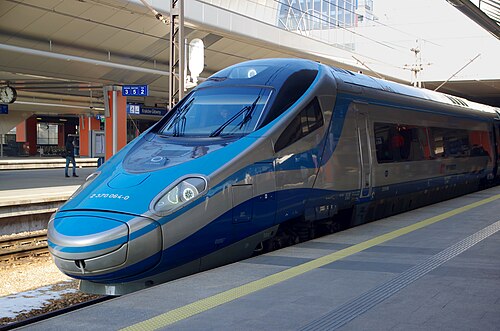
Wikipedia ↗ - EIP Pendolino
Rides Poland’s 1970s Central Main Line (CMK), engineered decades ahead of its time and now being upgraded to 250 km/h.
Wikipedia ↗ - Railjet
Follows the old Orient Express alignment down the Danube plain: centre to centre faster than any flight.
Wikipedia ↗
More train routes in Japan.