
Classic route
ICE Hamburg–Berlin
Hamburg → Berlin · Germany
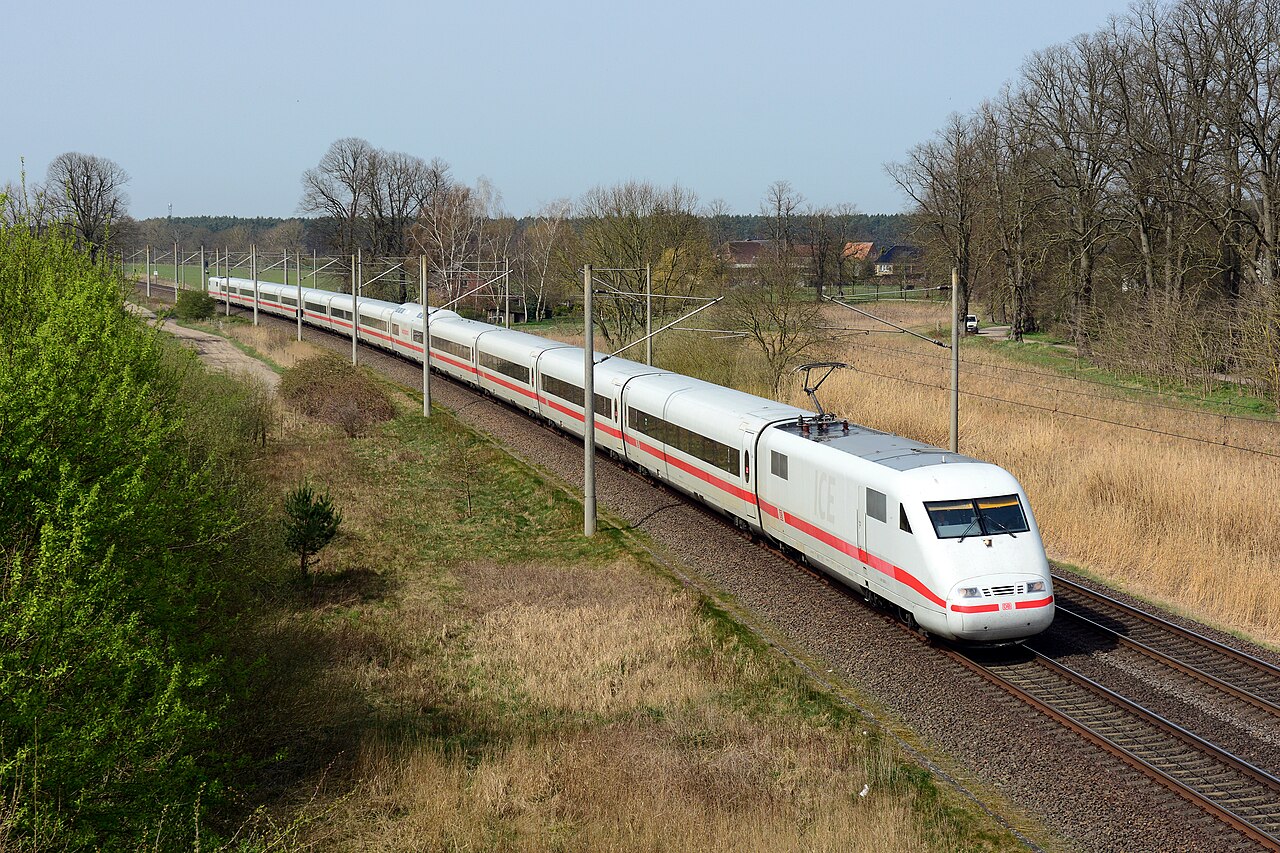
Germany’s busiest city pair rides an alignment opened in 1846, dead straight across the northern plain.
Germany’s two biggest cities are joined by a dead-flat 1846 racing line across the Elbe marshes: for years the country’s fastest conventional stretch, with ICEs holding 230 km/h nearly throughout. It was also first through the wringer of Deutsche Bahn’s general-renovation programme: closed outright for nine months and rebuilt end to end, reopening in spring 2026 with fresh track, signalling and stations. Half-hourly ICEs make the hop in about an hour and three-quarters, Wittenberge’s Elbe waterfront the one big pause between.
Along the way
- Hamburg Hauptbahnhof’s single great span
- Elbe marshes at 230 km/h
- Wittenberge riverfront
- Ludwigslust — palace town of the plains
- Spandau approach to Berlin
How this line was checked
- Line drawn from 2 OpenStreetMap relations, their own nodes end to end: relation 2178680 (226 km), relation 5429644 (59 km) — 285 km of the route between them
- Checked against OpenStreetMap: the whole line lies on real track, a median 4 m from it
- Checked against the running timetable via ÖBB Scotty: our line sits under 100 m from the shape of FLX 1237
- Wikipedia has an article for this line
- See for yourself: open this line on the map with OpenStreetMap's own railway drawn underneath it
Questions and answers
How long is the ICE?
The ICE runs 286 km from Hamburg to Berlin.
How long does the ICE take?
The fastest scheduled journey is 1 h 45 min for the 286 km. That is an average of 163 km/h end to end. The line's top service speed is 230 km/h.
Who runs the ICE?
Deutsche Bahn, with ICE 4.
How old is the ICE?
The line has been in service since 1846. That is the year the atlas dates it from: for a modern brand running over an older railway, it is the railway's date, not the brand's.
How often does the ICE run?
Every 30 min.
More classic routes
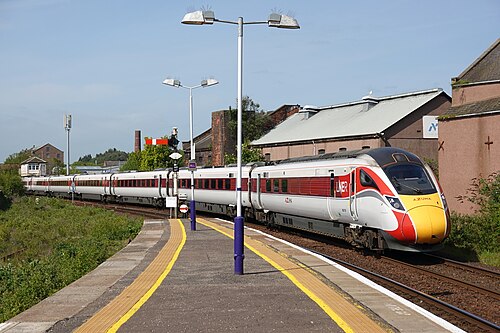
- LNER Azuma
The Flying Scotsman’s route since 1862: and where Mallard set the never-beaten steam record of 203 km/h in 1938.
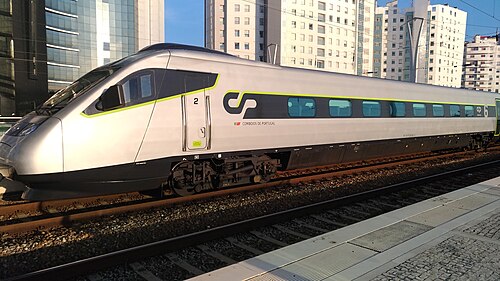
Wikipedia ↗ - Alfa Pendular
A tilting Pendolino leaning through the curves of the 19th-century Linha do Norte between Portugal’s two great cities.
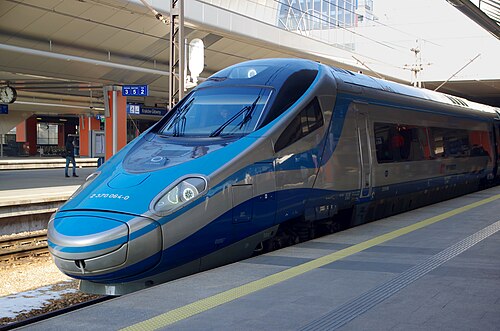
Wikipedia ↗ - EIP Pendolino
Rides Poland’s 1970s Central Main Line (CMK), engineered decades ahead of its time and now being upgraded to 250 km/h.
Wikipedia ↗ - Railjet
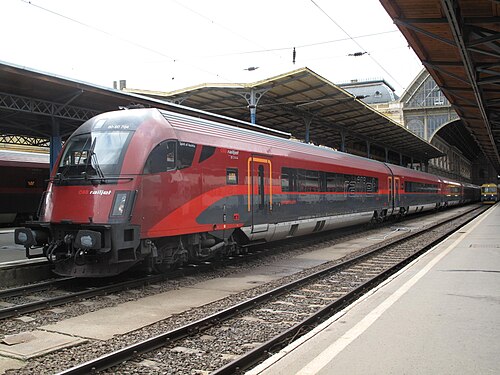
Follows the old Orient Express alignment down the Danube plain: centre to centre faster than any flight.
Wikipedia ↗
More train routes in Germany.
Planning this trip? Journey time & direct trains: Berlin → Hamburg · Hamburg → Berlin.